São Paulo, Brazil: A Guide to Contemporary Culture
Sao Paulo is South America’s most cosmopolitan city, defined by diversity, creativity, and global influence. As Brazil’s financial and cultural powerhouse, it offers world-class dining, museums, fashion, and nightlife. The city’s energy comes from its multicultural identity, expressed through cuisine, art, and innovation. Sao Paulo appeals to travelers seeking sophistication, intellectual depth, and contemporary culture rather than traditional sightseeing. Luxury here is urban and experiential, found in Michelin-starred restaurants, design hotels, and cutting-edge galleries. For travelers drawn to modern cities with global relevance and nonstop stimulation, Sao Paulo delivers an unmatched metropolitan experience in Brazil.
Current Weather

Description
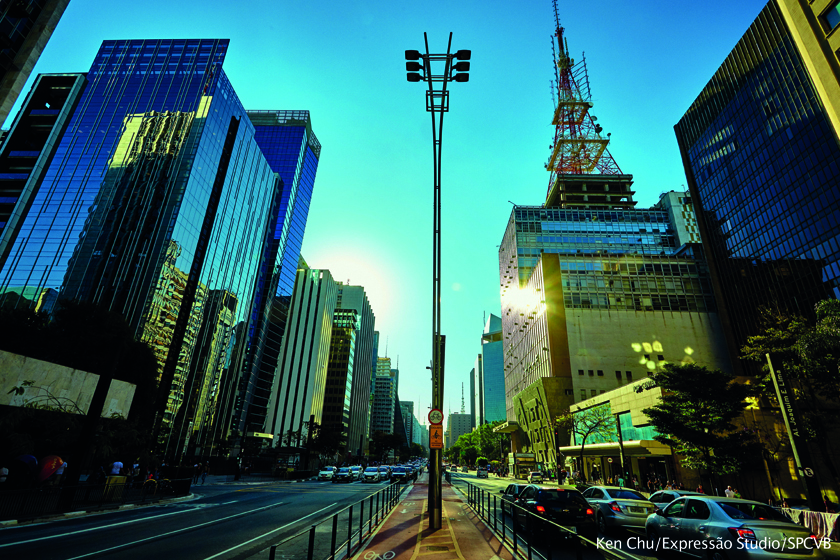
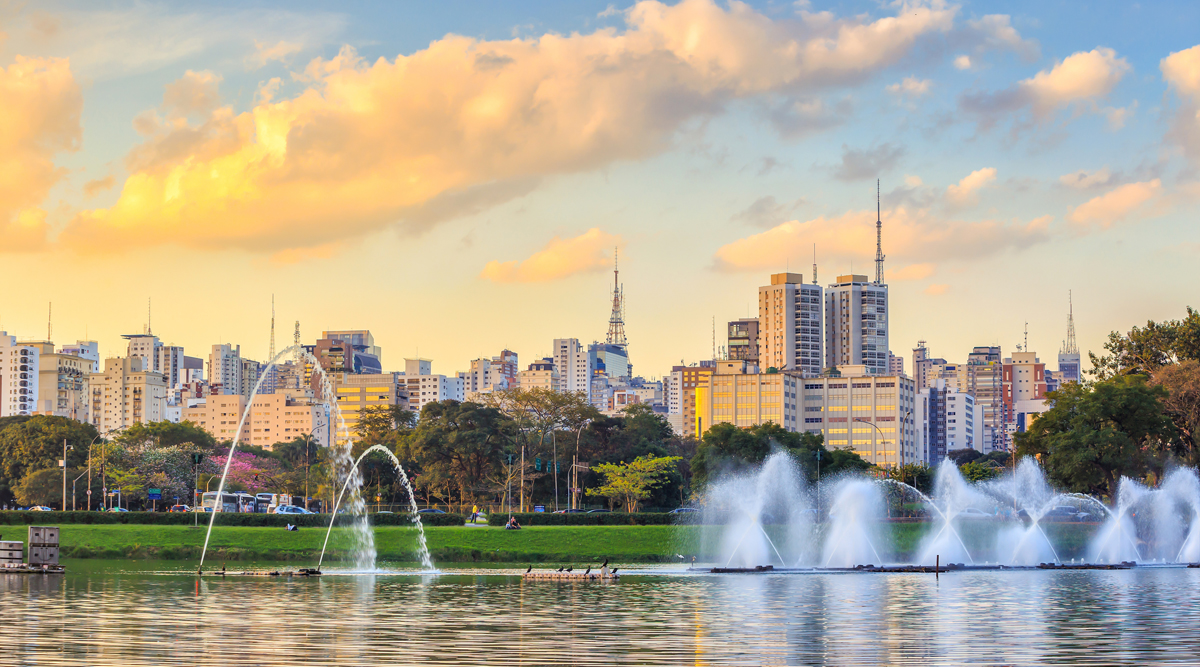
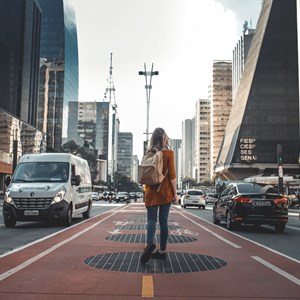
The fourth largest city in the world has over 12 million people spread over an area of 30.000 square kilometres. São Paulo might be huge but it has humble beginnings. In 1554, Portuguese Jesuit priests founded a small mission on a hill close to the Tietê river, which soon became a trading post. Later, when the area around São Paulo was found to be perfect for growing coffee, the city's future prosperity was sealed. Today, São Paulo is the business and unofficial political capital of the country. A good place to orientate yourself in São Paulo is by Avenida Paulista, lined with high-rise office buildings, which divides the city centre from São Paulo's exclusive and glamorous district, Jardins, where you find the best hotels including Fasano and Hotel Unique. From here, you can easily reach most parts of the city. Praça da Sé and Praça da República, the two squares divided by Vale do Anhangabaú is the old centre of São Paulo. On Rua Boa Vista, you will find the whitewashed baroque Pátio do Colégio, the site of which dates back to the Jesuits' first mission in 1554. Nearby, Triângulo is the city's main financial district and home to São Paulo's imposing stock exchange, BOVESPA. A few blocks away you can find the serene São Bento Monastery. Northeast is the imposing neo-gothic central market, Mercado Municipal. South of here is the commercial district of Bela Vista, nicknamed Bixiga, once a hub for Italian immigrants. Then you'll find the Liberdade district, home to the world's largest ethnic Japanese community outside Japan. Rua Augusta slices across Avenida Paulista into the Jardins neighbourhood. Around Praça Franklin Roosevelt, you'll find many of the city's best shops and restaurants. Southwest of Jardins is the fashionable neighbourhood of Pinheiros, with some of the best bars and nightclubs in the city. Across Rio Pinheiros is the vast campus of the Universidade de São Paulo. Southeast from here is the huge green space of Parque Ibirapuera, offering a respite from the hustle and bustle of São Paulo.
Useful information
12.2 million (2022)
Real, R$1 = 100 centavos
Police: 190
Emergency: 192
Fire Brigade: 193
Tourist Police (Rua São Bento 380): +55 11 3107 5642
Shops are normally open Mon–Sat 9am–6pm. Banks are open from Mon–Fri 10am–4pm, but usually, stop changing money at 2pm. The larger shopping centres are open Mon–Sat from 10am–10pm and from 2pm–8pm on Sundays and holidays.
Do & See





Dining


Cafes


Bars & Nightlife



Shopping





Tourist Information






Frequently Asked Questions
The best time to visit São Paulo is during the dry season, which runs from May to September. During these months, temperatures are mild, ranging from 60°F to 75°F (15°C to 24°C), and rainfall is minimal. This period is ideal for exploring the city's vibrant neighborhoods, parks, and cultural attractions without the interruption of heavy rain.
A stay of 3 to 5 days in São Paulo is recommended to fully experience the city's diverse offerings. This duration allows you to explore major attractions such as Ibirapuera Park, the São Paulo Museum of Art, and the historic downtown area. Additionally, you can enjoy the local cuisine and nightlife, as well as take day trips to nearby attractions like the coastal town of Santos.
São Paulo is rich in cultural and historical attractions. Key sites include: - Ibirapuera Park: A sprawling urban park perfect for relaxation and outdoor activities. - Avenida Paulista: The city's main thoroughfare, lined with museums, shops, and restaurants. - São Paulo Museum of Art (MASP): Renowned for its impressive collection of Western art. - Mercado Municipal: A vibrant market known for its fresh produce and local delicacies, including the famous mortadella sandwich.
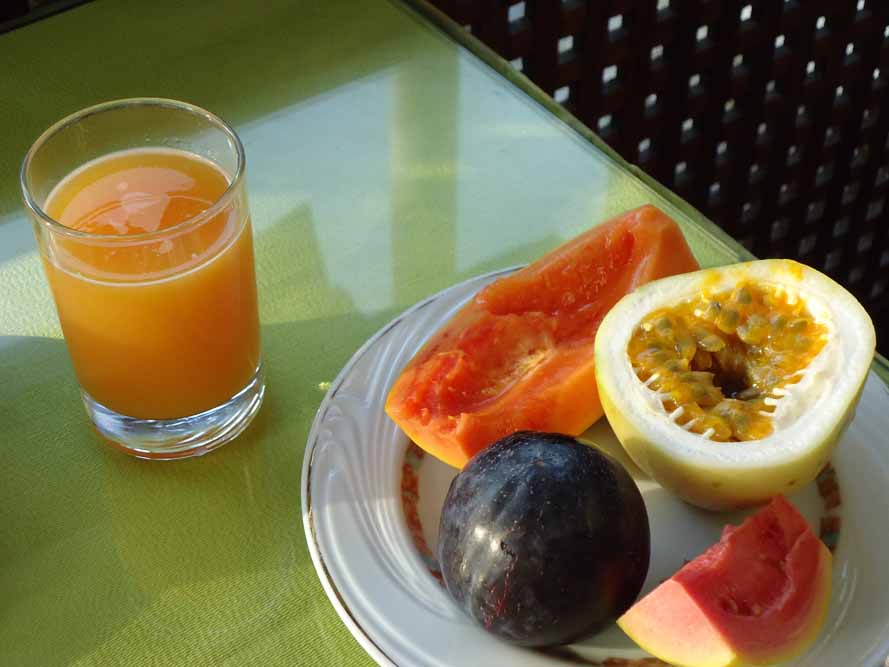
When in São Paulo, be sure to try these local specialties: - Feijoada: A hearty black bean stew with pork, traditionally served with rice and orange slices. - Pastel: A deep-fried pastry filled with various ingredients, often enjoyed as a snack. - Pão de Queijo: Delicious cheese bread rolls that are a popular breakfast item. - Brigadeiro: A sweet chocolate truffle made from condensed milk, cocoa, and butter, often served at celebrations.
São Paulo has a comprehensive public transportation system, including buses and the metro, which is efficient and affordable. The metro is the fastest way to navigate the city, with multiple lines connecting key areas. Taxis and rideshare services like Uber are also widely available for more convenience. If you're planning to explore the surrounding areas, consider renting a car or booking a guided tour.
São Paulo hosts numerous cultural events and festivals throughout the year. Notable ones include: - São Paulo Fashion Week: A major event showcasing Brazilian fashion and design. - Virada Cultural: An all-night cultural festival featuring music, theater, and art across the city. - Festa Junina: A traditional June festival with food, music, and dance that celebrates rural Brazilian culture. These events provide a unique glimpse into the local culture and are great opportunities to engage with the community.
In São Paulo, it's important to be aware of local customs and etiquette. Greetings are often warm, with a handshake or a kiss on the cheek being common. Dress codes can vary, but casual yet stylish attire is generally acceptable. Tipping is customary in restaurants, usually around 10% of the bill. Additionally, it's polite to say 'obrigado' (thank you) when receiving service, as it reflects respect and appreciation.