Discover Moroni and Grande Comore
Current Weather
Description
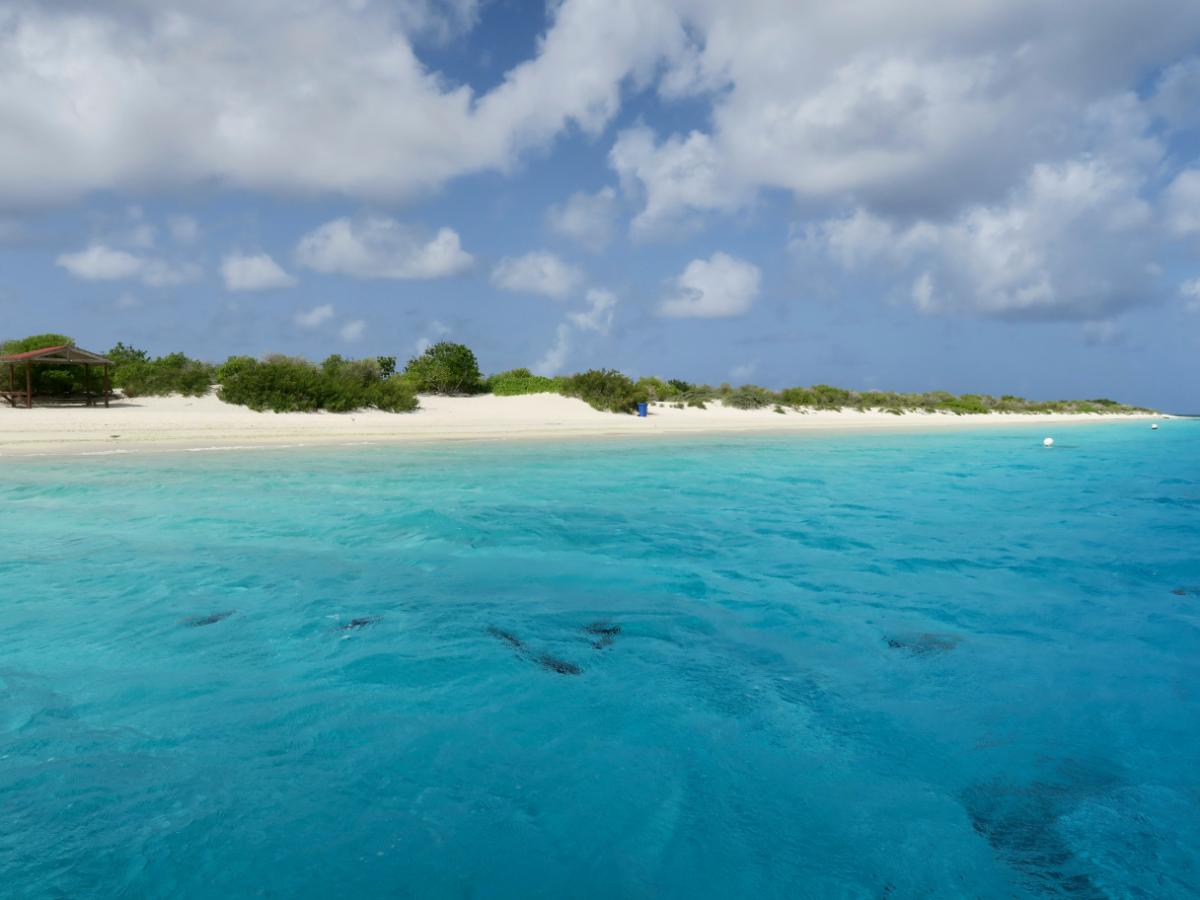
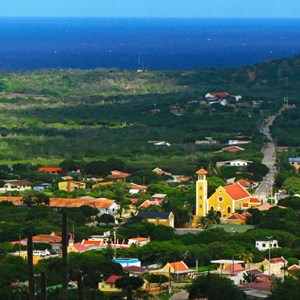
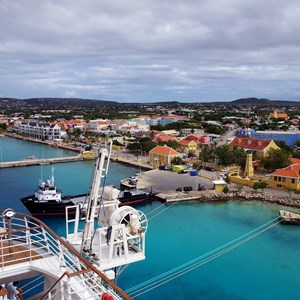
Bonaire is a Dutch Caribbean island of 288 square kilometres, which together with Aruba and Curaçao forms the ABC islands in the Leeward Antilles. The first European visitors to the island were the Spanish in the 16th century, seeking shelter among the hills that today surround the town of Rincón. They introduced several species of domesticated animals to the island, including cattle and donkeys. Today's capital, Kralendijk, is the only other settlement on Bonaire. Its significance expanded alongside the establishment of the Dutch West India Company, exemplified by the iconic Fort Oranje, built to protect the city's harbour. Besides plantation, the Dutch relied on the island for salt production, which also meant that Bonaire was not untouched by slavery, either. Bonaire has been a special municipality since 2010, similar to Sint Eustatius and Saba. Over the last decades, nature conservation has gained steady ground on the island: whether it's safeguarding endangered species, securing nesting sites, or becoming carbon neutral, there are numerous initiatives at work to protect nature's treasures, both on land and in the sea, for future generations.
Useful information
22,573 (Bonaire, 2022)
US Dollar, $1 = 100 cents
Police, Ambulance, Fire: 911
Shops are generally open from 9am to 6pm seven days a week, but exceptions do occur with shortened opening hours on weekends.
Do & See
Restaurants
Shopping


Tourist Information
Frequently Asked Questions
The best time to visit Kralendijk is during the dry season, which runs from mid-December to mid-April. During this period, you can expect pleasant temperatures averaging around 80°F (27°C) and minimal rainfall, making it ideal for outdoor activities like diving and snorkeling. However, visiting during the shoulder months of November and May can also be enjoyable, with fewer crowds and lower prices.
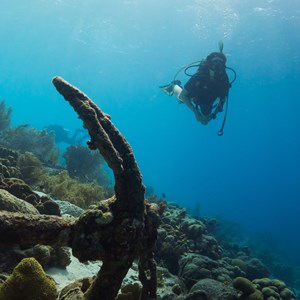
A stay of 4 to 7 days in Kralendijk is recommended to fully enjoy the island's attractions. This timeframe allows you to explore the vibrant coral reefs, relax on beautiful beaches, and experience local culture. You can also take day trips to nearby Klein Bonaire for snorkeling or visit Washington Slagbaai National Park for hiking and wildlife viewing.
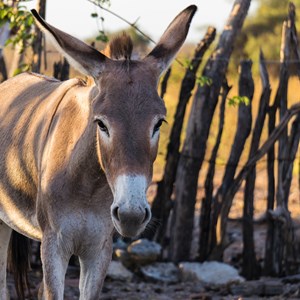
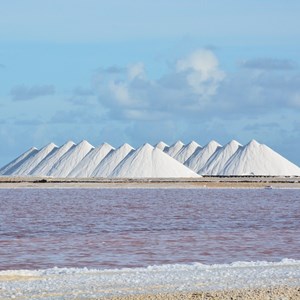
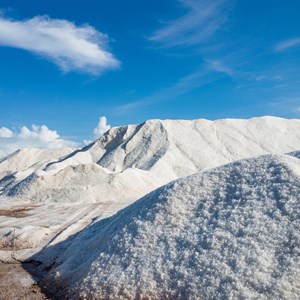
Kralendijk offers several must-see attractions, including: - **Bonaire's Marine Park**: A UNESCO World Heritage site known for its stunning coral reefs. - **Klein Bonaire**: A small uninhabited island perfect for day trips and snorkeling. - **Salt Flats**: The colorful salt mountains and pink lakes are a unique sight. - **Bonaire's Donkey Sanctuary**: A lovely place to interact with rescued donkeys.
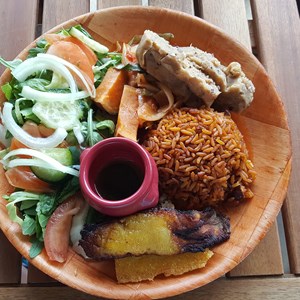
When visiting Kralendijk, be sure to try local dishes such as: - **Keri Keri**: A traditional fish stew. - **Funchi**: Cornmeal porridge often served as a side dish. - **Sopi di Piska**: A flavorful fish soup. - **Local seafood**: Freshly caught fish and shrimp are highlights of the island's cuisine.
Getting around Kralendijk is easy with several transportation options available: - **Rental Cars**: A popular choice for exploring the island at your own pace. - **Bicycles**: Many visitors rent bikes to enjoy the scenic views. - **Taxis**: Readily available for short distances, though prices can vary. - **Walking**: The town is small and walkable, making it convenient for exploring local shops and restaurants.
Kralendijk hosts several cultural events and festivals throughout the year, including: - **Carnival**: Celebrated in February or March, featuring parades, music, and dancing. - **Dia di Rincon**: A local holiday in September celebrating Bonaire's culture with food, music, and arts. - **Kralendijk Regatta**: A sailing event held annually that attracts both locals and tourists.
When visiting Kralendijk, it's important to respect local customs and etiquette, such as: - **Greetings**: A friendly handshake is common when meeting someone. - **Dress Code**: Casual beachwear is acceptable, but dress modestly when visiting churches or local homes. - **Tipping**: While service charges are often included, a tip of 10-15% is appreciated for good service.